Dr. Michael O'Connor
Head of Languages Department
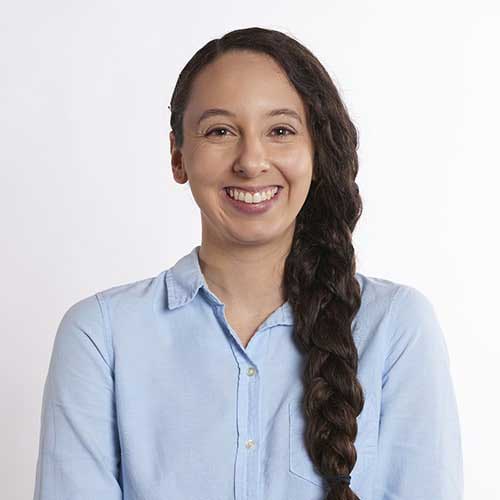
Dr. Michael O'Connor
Head of Languages Department
LanguagesQualifications
- Ph.D. Applied Linguistics (University of Cape Town)
- M.A. English Literature (Rhodes University)
- B.A. Honours Linguistics (University of the Witwatersrand)
- Postgraduate Certificate in Education (University of Johannesburg)
- Certificate in Teaching English as a Foreign Language (Cambridge)
- Diploma in African Languages (UNISA)
About Dr. Michael O'Connor
Distinguished linguist and language educator with 15 years of experience in multilingual education, specializing in English, Afrikaans, and indigenous South African languages.
Dr. Michael O’Connor - Head of Languages Department
Dr. Michael O’Connor is a passionate linguist and experienced educator who leads our Languages Department with expertise in multilingual education and cultural literacy. With a deep understanding of South Africa’s linguistic diversity, he prepares students to communicate effectively in our multilingual society while fostering a love for literature and language learning.
Academic and Professional Background
Dr. O’Connor brings extensive academic and practical experience to language education:
- University Lecturer: Former lecturer in Applied Linguistics at University of Cape Town (2015-2018)
- Language Consultant: Advisor for government language policy implementation
- Published Author: Researcher in multilingual education and language acquisition
- Translation Work: Professional translator for legal and educational documents
- International Experience: Teaching fellowships in Ireland, Australia, and Kenya
Educational Philosophy
Dr. O’Connor believes that language education is fundamental to developing critical thinking, cultural understanding, and effective communication skills. He emphasizes the importance of multilingualism in South Africa’s diverse society.
“Language is the gateway to understanding ourselves and others,” explains Dr. O’Connor. “In South Africa, we have the privilege of living in one of the world’s most linguistically diverse countries. My goal is to help students appreciate this diversity while developing strong communication skills in multiple languages.”
Teaching Approach
His comprehensive language curriculum includes:
- Communicative Language Teaching: Focus on practical communication skills
- Literature-Based Learning: Using great works to develop language and critical thinking
- Cultural Integration: Connecting language learning to cultural understanding
- Technology Enhancement: Using digital tools to support language acquisition
- Multilingual Approach: Celebrating and building on students’ home languages
- Assessment for Learning: Continuous feedback to support language development
Language Programs
English Home Language:
- Literature Study: Exploring South African, African, and world literature
- Creative Writing: Developing original poetry, short stories, and essays
- Academic Writing: Research skills and formal writing techniques
- Public Speaking: Debate, presentations, and oral communication
- Media Literacy: Critical analysis of digital and print media
- Language Structure: Grammar, syntax, and linguistic analysis
English First Additional Language:
- Practical Communication: Everyday conversation and workplace English
- Academic English: Language skills for further education
- Cultural Context: Understanding English-speaking cultures
- Literature Appreciation: Accessible literary works and poetry
- Writing Development: Progressive writing skills from basic to advanced
- Oral Proficiency: Speaking and listening skills development
Afrikaans Home Language:
- Literary Heritage: Classic and contemporary Afrikaans literature
- Creative Expression: Original writing in poetry and prose
- Language History: Evolution and development of Afrikaans
- Cultural Studies: Afrikaans-speaking communities and traditions
- Media Analysis: Afrikaans newspapers, radio, and television
- Formal Communication: Business and academic Afrikaans
Afrikaans First Additional Language:
- Basic Communication: Conversational Afrikaans for daily interactions
- Cultural Appreciation: Understanding Afrikaans culture and heritage
- Practical Applications: Afrikaans in the workplace and community
- Simple Literature: Accessible stories and poems
- Writing Skills: Basic to intermediate writing development
- Pronunciation and Listening: Developing oral comprehension
Additional Language Programs:
- isiZulu: Introduction to South Africa’s most widely spoken language
- Sesotho: Basic communication in Sesotho
- French: International language option for interested students
- Sign Language: South African Sign Language basics
- Latin: Classical language for academic and linguistic development
Student Achievement and Success
Under Dr. O’Connor’s leadership, language students have achieved exceptional results:
- Matric Results: Consistently above 95% pass rate in all language subjects
- Literary Competitions: Multiple wins at provincial and national writing contests
- Debate Championships: School teams regularly reach national finals
- University Preparation: 100% of students meet university language requirements
- Scholarship Recipients: Several students receive language-based scholarships annually
- International Recognition: Student work published in international youth magazines
Language Learning Resources
Dr. O’Connor has developed comprehensive language learning facilities:
Language Laboratory:
- Digital Language Lab: 30 stations with audio-visual language learning software
- Recording Studio: Professional equipment for pronunciation practice and assessment
- Interactive Whiteboards: Technology-enhanced language instruction
- Tablet Integration: Mobile devices for language learning apps and resources
- Online Platforms: Access to international language learning resources
Library and Reading Resources:
- Multilingual Library: Extensive collection in English, Afrikaans, and African languages
- Digital Resources: E-books, audiobooks, and online literary databases
- Periodicals: Current newspapers and magazines in multiple languages
- Reference Materials: Dictionaries, grammar guides, and linguistic resources
- Quiet Study Areas: Spaces designed for reading and language practice
Cultural and Literary Programs
Annual Events:
- Multilingual Poetry Festival: Celebrating poetry in all South African languages
- International Literature Week: Exploring world literature and cultures
- Debate Tournament: Inter-school competitions in multiple languages
- Creative Writing Workshop: Intensive writing retreats with published authors
- Language Heritage Day: Celebrating South Africa’s linguistic diversity
Special Programs:
- Author Visits: Regular visits from local and international writers
- Theatre Productions: Student performances in multiple languages
- Literary Magazine: Student-published creative writing publication
- Language Exchange: Partnerships with international schools
- Community Storytelling: Connecting with local oral tradition keepers
Professional Development and Research
Ongoing Research:
- Multilingual Education: Studying effective approaches to teaching multiple languages
- Digital Literacy: Researching technology’s role in language learning
- Assessment Methods: Developing authentic assessment for language skills
- Cultural Integration: Exploring connections between language and cultural identity
- Teacher Training: Preparing new language educators for multilingual classrooms
Professional Memberships:
- South African Applied Linguistics Association (SAALA)
- International Association of Applied Linguistics (AILA)
- South African Association for Language Teaching (SAALT)
- Modern Language Association (MLA)
- African Language Association of Southern Africa (ALASA)
Publications and Presentations
Recent Publications:
- “Multilingual Pedagogies in South African Schools” - Applied Linguistics Journal 2022
- “Technology-Enhanced Language Learning in Resource-Constrained Environments” - Language Teaching Research 2021
- “Cultural Identity and Language Choice in Post-Apartheid Education” - South African Linguistics 2020
- “Assessment Strategies for Multilingual Learners” - Educational Assessment Quarterly 2019
Conference Presentations:
- “Decolonizing Language Education in South Africa” - International Applied Linguistics Conference 2022
- “Digital Tools for African Language Learning” - Technology in Language Teaching Summit 2021
- “Multilingual Literacy Development” - World Congress of Applied Linguistics 2020
Community Engagement and Outreach
Language Preservation:
- Indigenous Language Documentation: Working with communities to preserve local languages
- Oral History Projects: Recording stories from community elders
- Language Revitalization: Supporting efforts to maintain endangered languages
- Cultural Workshops: Community programs celebrating linguistic heritage
Adult Education:
- English Classes: Evening classes for adult community members
- Literacy Programs: Basic reading and writing skills for adults
- Business Communication: Professional language skills workshops
- Citizenship Preparation: Language support for new citizens
Student Support and Mentorship
Academic Support:
- Language Tutoring: Individual and small group support for struggling students
- Advanced Programs: Enrichment opportunities for gifted language learners
- University Preparation: Specific preparation for university language requirements
- Career Guidance: Advice on language-related career opportunities
- Study Skills: Teaching effective language learning strategies
Personal Development:
- Confidence Building: Using language skills to develop self-assurance
- Cultural Appreciation: Fostering respect for linguistic diversity
- Critical Thinking: Developing analytical skills through literature and language study
- Global Awareness: Understanding language’s role in international communication
- Leadership Opportunities: Student language ambassadors and peer tutors
Technology Integration
Digital Language Learning:
- Language Learning Apps: Integration of mobile technology for practice
- Virtual Reality: Immersive language experiences and cultural exploration
- Online Collaboration: International partnerships through digital platforms
- AI-Powered Tools: Using artificial intelligence for personalized language learning
- Digital Storytelling: Creating multimedia narratives in multiple languages
Assessment Technology:
- Digital Portfolios: Electronic collections of student language work
- Online Testing: Computer-based language proficiency assessments
- Voice Recognition: Technology for pronunciation assessment
- Analytics: Data-driven insights into language learning progress
Inclusive Language Education
Dr. O’Connor ensures language education is accessible and inclusive:
- Learning Differences: Adapted approaches for students with dyslexia and other challenges
- Multilingual Support: Building on students’ home language strengths
- Cultural Sensitivity: Respecting diverse cultural and linguistic backgrounds
- Economic Accessibility: Ensuring resources are available to all students
- Special Needs: Accommodations for students with hearing or speech challenges
Career Preparation and Pathways
Language-Related Careers:
- Translation and Interpretation: Preparing students for language service careers
- Journalism and Media: Writing and communication skills for media careers
- Education: Inspiring future language teachers and educators
- International Relations: Language skills for diplomatic and international careers
- Business Communication: Professional language skills for corporate environments
- Creative Writing: Supporting aspiring authors and poets
Personal Message
“Language is one of humanity’s greatest achievements – it allows us to share ideas, emotions, and experiences across time and space. In South Africa, we are blessed with incredible linguistic diversity, and I believe this diversity is one of our greatest strengths.
Every student who enters my classroom brings their own linguistic heritage, and I see my role as helping them build on that foundation while developing new language skills. Whether a student speaks English, Afrikaans, isiZulu, Sesotho, or any other language at home, I want them to feel proud of their linguistic identity while also gaining the tools they need to communicate effectively in our multilingual society.
Language learning is about so much more than grammar and vocabulary – it’s about understanding different ways of seeing the world, developing empathy for others, and gaining the confidence to express your own thoughts and ideas clearly and persuasively.
I’m particularly passionate about literature because it allows us to explore the human experience through the eyes of others. When students read a poem by Mazisi Kunene, a story by Nadine Gordimer, or a play by Athol Fugard, they’re not just learning about language – they’re learning about life, about history, about what it means to be human.
In our increasingly connected world, multilingual skills are more valuable than ever. Students who can communicate effectively in multiple languages have advantages in higher education, career opportunities, and personal relationships. But beyond the practical benefits, multilingualism enriches our understanding of ourselves and our place in the world.
I encourage all my students to be curious about language – to ask questions, to experiment with words, to read widely, and to write fearlessly. Some of my most rewarding moments as a teacher come when I see a student discover the power of their own voice, whether they’re writing their first poem, delivering a persuasive speech, or simply finding the perfect words to express a complex idea.
Language is alive, constantly evolving, and endlessly fascinating. I invite every student to join me in exploring this amazing world of words, stories, and human expression.”
Contact Information
Office Hours: Monday to Friday, 7:30 AM - 4:30 PM Email: m.oconnor@school.edu Phone: +27 11 234 5683 Office Location: Languages Building, Room L201 Language Lab Hours: Monday to Thursday, 3:30 PM - 5:00 PM Writing Center: Tuesday and Thursday, 12:30 PM - 1:30 PM
Dr. O’Connor welcomes questions from students, parents, and community members about language learning, multilingual education, literature, or career opportunities in language-related fields.
Position
Head of Languages Department
Department
Languages
Qualifications
6 Credentials
Get in Touch with Dr. Michael O'Connor
Have questions or would like to schedule a meeting? Dr. Michael O'Connor is available to discuss your child's education and development.