Ms. Sarah Johnson
Natural Sciences Teacher
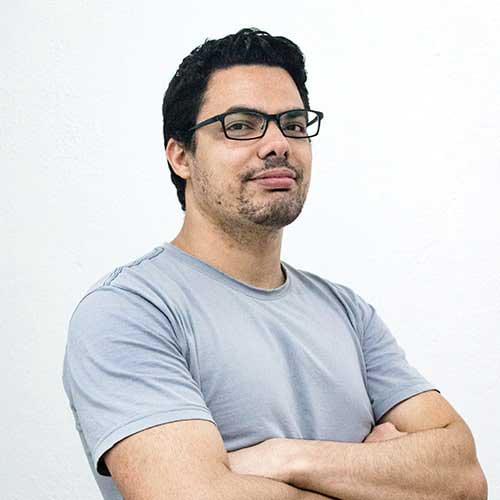
Ms. Sarah Johnson
Natural Sciences Teacher
Natural SciencesQualifications
- M.Sc. Environmental Science (University of Cape Town)
- B.Sc. Honours Biology (Rhodes University)
- B.Sc. Chemistry and Biology (University of the Witwatersrand)
- Postgraduate Certificate in Education (University of Johannesburg)
- Certificate in Science Education Technology (UNISA)
- Environmental Impact Assessment Practitioner (EAPASA)
About Ms. Sarah Johnson
Passionate science educator with 8 years of experience in teaching Natural Sciences, specializing in inquiry-based learning, environmental science, and STEM integration.
Ms. Sarah Johnson - Natural Sciences Teacher
Ms. Sarah Johnson is an enthusiastic science educator who brings the wonders of the natural world into the classroom through hands-on experiments, field studies, and innovative teaching methods. With a strong background in environmental science and biology, she inspires students to explore, question, and understand the scientific principles that govern our world.
Professional Background
Ms. Johnson combines academic expertise with practical field experience:
- Environmental Consultant: Former consultant specializing in biodiversity assessments (2016-2019)
- Research Assistant: Marine biology research at Two Oceans Aquarium (2015-2016)
- Field Guide: Certified nature guide for educational tours and camps
- Science Communicator: Regular contributor to science education magazines and websites
- Conservation Volunteer: Active participant in local conservation and restoration projects
Educational Philosophy
Ms. Johnson believes that science education should be experiential, relevant, and inspiring. She emphasizes the importance of scientific inquiry, critical thinking, and environmental stewardship in developing scientifically literate citizens.
“Science is all around us,” explains Ms. Johnson. “From the air we breathe to the technology we use, scientific principles shape our daily lives. I want my students to see themselves as scientists – curious, questioning, and capable of understanding and improving the world around them.”
Teaching Approach
Her comprehensive methodology includes:
- Inquiry-Based Learning: Students develop questions and design experiments to find answers
- Hands-On Experiments: Regular laboratory work and practical investigations
- Field Studies: Outdoor learning experiences and environmental monitoring
- Technology Integration: Using digital tools for data collection and analysis
- Cross-Curricular Connections: Linking science to mathematics, technology, and real-world applications
- Environmental Focus: Emphasizing sustainability and conservation in all topics
Natural Sciences Curriculum
Life and Living (Biology):
- Cell Biology: Structure and function of plant and animal cells
- Human Biology: Body systems, health, and disease prevention
- Plant Biology: Photosynthesis, plant structures, and life cycles
- Animal Biology: Classification, adaptation, and behavior
- Ecology: Ecosystems, food webs, and environmental interactions
- Genetics: Heredity, DNA, and genetic variation
- Evolution: Natural selection and biodiversity
- Conservation Biology: Protecting endangered species and habitats
Matter and Materials (Chemistry):
- Atomic Structure: Atoms, elements, and the periodic table
- Chemical Bonding: How atoms combine to form compounds
- Chemical Reactions: Types of reactions and conservation of mass
- Acids and Bases: Properties, uses, and safety considerations
- Mixtures and Solutions: Separation techniques and concentration
- Organic Chemistry: Carbon compounds and biochemistry
- Environmental Chemistry: Pollution, water quality, and atmospheric chemistry
- Materials Science: Properties and uses of different materials
Energy and Change (Physics):
- Forces and Motion: Newton’s laws and mechanical systems
- Energy: Forms of energy, conservation, and transformation
- Waves and Sound: Properties of waves and sound phenomena
- Light and Optics: Reflection, refraction, and electromagnetic spectrum
- Electricity and Magnetism: Circuits, electrical safety, and electromagnetic fields
- Heat and Temperature: Thermal energy and heat transfer
- Space Science: Solar system, stars, and space exploration
- Renewable Energy: Solar, wind, and other sustainable energy sources
Planet Earth and Beyond (Earth Science):
- Geology: Rock cycle, minerals, and geological processes
- Weather and Climate: Atmospheric processes and climate change
- Water Cycle: Precipitation, evaporation, and water resources
- Natural Disasters: Earthquakes, volcanoes, and severe weather
- Astronomy: Solar system, galaxies, and space exploration
- Environmental Science: Human impact on Earth systems
- Sustainability: Resource management and environmental protection
- Climate Action: Understanding and addressing climate change
Student Achievement and Success
Under Ms. Johnson’s guidance, students have achieved remarkable results:
- Academic Excellence: Consistently high pass rates and distinction levels in Natural Sciences
- Science Competitions: Multiple wins at regional and national science fairs
- Environmental Projects: Award-winning projects on local environmental issues
- University Preparation: 100% of students meet requirements for science programs
- Research Skills: Students regularly conduct independent research projects
- Scientific Literacy: Demonstrated improvement in scientific reasoning and communication
Science Laboratory and Resources
Ms. Johnson oversees state-of-the-art science facilities:
Main Science Laboratory:
- Modern Equipment: Digital microscopes, pH meters, and electronic balances
- Safety Features: Fume hoods, emergency showers, and first aid stations
- Technology Integration: Interactive whiteboards and data logging equipment
- Specimen Collection: Preserved specimens and live organisms for study
- Chemical Storage: Secure storage for laboratory chemicals and materials
Environmental Science Lab:
- Water Testing Equipment: Kits for testing water quality and pollution
- Weather Station: Instruments for monitoring local weather conditions
- Soil Analysis Tools: Equipment for testing soil composition and health
- Air Quality Monitors: Devices for measuring air pollution and quality
- GPS Units: For field work and environmental mapping
Biology Greenhouse:
- Plant Cultivation: Growing plants for experiments and observation
- Hydroponics System: Soilless growing for plant nutrition studies
- Composting Area: Demonstrating decomposition and nutrient cycling
- Native Plant Garden: Showcasing local flora and biodiversity
- Butterfly Garden: Attracting pollinators and studying life cycles
Innovative Science Programs
Science Fair and Research:
- Annual Science Fair: Students present original research projects
- Mentorship Program: Pairing students with local scientists and researchers
- Research Partnerships: Collaborations with universities and research institutions
- Publication Opportunities: Student research featured in science magazines
- Competition Preparation: Training for regional and national science competitions
Environmental Action Club:
- School Sustainability: Implementing eco-friendly practices on campus
- Community Projects: Environmental restoration and conservation work
- Awareness Campaigns: Educating others about environmental issues
- Policy Advocacy: Engaging with local government on environmental policies
- Green Technology: Exploring renewable energy and sustainable technologies
STEM Integration:
- Engineering Challenges: Design and build projects using scientific principles
- Mathematical Modeling: Using math to understand scientific phenomena
- Technology Applications: Programming and robotics in scientific contexts
- Career Exploration: Connecting science learning to STEM careers
- Innovation Projects: Developing solutions to real-world problems
Field Work and Outdoor Education
Local Ecosystem Studies:
- Wetland Monitoring: Regular visits to nearby wetlands for water quality testing
- Forest Ecology: Studying biodiversity in local forest reserves
- Marine Biology: Trips to coastal areas for marine ecosystem studies
- Urban Ecology: Investigating wildlife and plants in urban environments
- Agricultural Science: Visits to farms to study food production and sustainability
Conservation Projects:
- Habitat Restoration: Participating in local habitat restoration efforts
- Species Monitoring: Tracking local wildlife populations and migration patterns
- Pollution Studies: Investigating sources and impacts of local pollution
- Climate Research: Collecting data on local climate change impacts
- Community Science: Contributing to citizen science projects and databases
Technology and Digital Learning
Digital Science Tools:
- Virtual Laboratories: Online simulations for complex or dangerous experiments
- Data Analysis Software: Programs for statistical analysis and graphing
- 3D Modeling: Creating models of molecular structures and biological systems
- Video Microscopy: Recording and analyzing microscopic observations
- Sensor Technology: Using digital sensors for real-time data collection
Online Resources:
- Virtual Field Trips: Exploring ecosystems and laboratories around the world
- Scientific Databases: Access to current research and scientific literature
- Interactive Simulations: Modeling complex scientific processes
- Collaboration Platforms: Working with students and scientists globally
- Digital Portfolios: Documenting scientific learning and progress
Health and Safety Education
Laboratory Safety:
- Safety Protocols: Comprehensive training in laboratory safety procedures
- Chemical Handling: Proper use and storage of laboratory chemicals
- Equipment Safety: Safe operation of scientific instruments and tools
- Emergency Procedures: Response protocols for laboratory accidents
- Personal Protective Equipment: Proper use of safety goggles, gloves, and aprons
Environmental Health:
- Pollution Awareness: Understanding sources and effects of environmental pollution
- Food Safety: Principles of food hygiene and nutrition
- Disease Prevention: Understanding how diseases spread and prevention strategies
- Radiation Safety: Awareness of radiation sources and protection measures
- Chemical Safety: Identifying and avoiding hazardous chemicals in daily life
Assessment and Evaluation
Authentic Assessment:
- Laboratory Reports: Detailed documentation of experimental procedures and results
- Research Projects: Independent investigation of scientific questions
- Scientific Presentations: Communicating findings to peers and community
- Practical Examinations: Hands-on demonstration of laboratory skills
- Portfolio Assessment: Collection of work showing scientific growth and learning
Skills Development:
- Scientific Method: Designing and conducting controlled experiments
- Data Analysis: Interpreting graphs, charts, and statistical information
- Critical Thinking: Evaluating scientific claims and evidence
- Communication: Writing scientific reports and presenting findings
- Problem Solving: Applying scientific knowledge to solve real-world problems
Professional Development and Research
Continuous Learning:
- Science Education Conferences: Annual attendance at teaching and research conferences
- Laboratory Training: Regular updates on new equipment and techniques
- Environmental Research: Participating in ongoing environmental studies
- Technology Integration: Learning new digital tools for science education
- Curriculum Development: Contributing to science education standards and materials
Professional Memberships:
- South African Association for Science and Technology Education (SAASTE)
- National Science Teachers Association (NSTA)
- Environmental Education Association of Southern Africa (EEASA)
- South African Institute of Biology (SAIB)
- International Society for Environmental Education (ISEE)
Research and Publications
Current Research:
- Inquiry-Based Learning: Studying effective methods for science inquiry in schools
- Environmental Education: Researching ways to promote environmental stewardship
- STEM Integration: Investigating cross-curricular approaches to science education
- Technology in Science: Exploring digital tools for science learning
- Student Engagement: Understanding factors that motivate science learning
Publications:
- “Hands-On Science: Engaging Students Through Inquiry” - Science Education Today 2022
- “Environmental Education in the Digital Age” - Environmental Learning Journal 2021
- “STEM Integration: Breaking Down Subject Barriers” - Educational Innovation Quarterly 2020
- “Field Work in Science Education: Benefits and Best Practices” - Outdoor Education Review 2019
Student Support and Mentorship
Academic Support:
- Study Groups: Peer learning for challenging scientific concepts
- Individual Tutoring: One-on-one support for struggling students
- Advanced Projects: Enrichment opportunities for gifted students
- Competition Preparation: Training for science olympiads and fairs
- University Guidance: Advice on science degree programs and careers
Career Development:
- Science Mentorship: Connecting students with working scientists
- Internship Opportunities: Placements in research labs and environmental organizations
- Career Exploration: Exposure to diverse science and technology careers
- Skills Development: Building practical laboratory and research skills
- Network Building: Introducing students to science professionals and opportunities
Community Outreach and Engagement
Public Science Education:
- Science Nights: Family events featuring hands-on science activities
- Community Workshops: Teaching environmental monitoring to local groups
- School Visits: Bringing science demonstrations to primary schools
- Science Cafes: Informal discussions about current scientific topics
- Media Engagement: Contributing to local science communication efforts
Environmental Advocacy:
- Conservation Education: Teaching community members about local ecosystems
- Sustainability Workshops: Promoting eco-friendly practices and technologies
- Policy Engagement: Providing scientific input on environmental policies
- Citizen Science: Engaging the public in scientific research and monitoring
- Youth Leadership: Training young environmental advocates and activists
Innovation and Future Directions
Emerging Technologies:
- Artificial Intelligence: Understanding AI applications in scientific research
- Biotechnology: Exploring genetic engineering and synthetic biology
- Nanotechnology: Investigating materials science at the molecular level
- Renewable Energy: Advancing solar, wind, and other clean technologies
- Space Technology: Following developments in space exploration and colonization
Future Skills:
- Data Science: Analyzing large datasets and using machine learning
- Interdisciplinary Thinking: Connecting science to other fields and applications
- Global Collaboration: Working with scientists and students worldwide
- Ethical Reasoning: Considering the social and ethical implications of science
- Innovation Mindset: Developing creative solutions to scientific challenges
Personal Message
“Science is the most exciting adventure you can embark on. Every day, scientists around the world are making discoveries that change our understanding of the universe and improve our lives. From developing new medicines to exploring distant planets, from protecting endangered species to creating sustainable technologies, science offers endless opportunities to make a difference.
I want every student to experience the joy of scientific discovery. There’s nothing quite like the moment when an experiment works, when you finally understand a complex concept, or when you make a connection between what you’re learning and the world around you. These ‘aha!’ moments are what make teaching science so rewarding.
Science is not just about memorizing facts and formulas – it’s about asking questions, testing ideas, and thinking critically about evidence. These skills are valuable no matter what career you choose. Whether you become a doctor, engineer, teacher, artist, or entrepreneur, the ability to think scientifically will serve you well.
Our planet faces many challenges, from climate change to biodiversity loss to pollution. But I’m optimistic about the future because I see the passion and creativity of young people like my students. You are the generation that will develop solutions to these problems and create a more sustainable world.
In my classroom, we don’t just study science – we do science. We ask questions, design experiments, collect data, and draw conclusions. We make mistakes, learn from them, and try again. This is how real scientists work, and it’s how you’ll develop the confidence and skills to tackle any challenge.
I encourage all my students to see themselves as scientists, regardless of their future career plans. Science is not just for people in lab coats – it’s for anyone who is curious about the world and wants to understand how things work. Every question you ask, every observation you make, and every experiment you conduct contributes to human knowledge.
Remember that science is a collaborative endeavor. The greatest discoveries often come from teams of people working together, sharing ideas, and building on each other’s work. In our classroom, we support each other, celebrate each other’s successes, and learn from each other’s mistakes.
I’m here to guide you on your scientific journey, whether you want to become a research scientist, a doctor, an environmental activist, or simply a scientifically literate citizen. The natural world is full of wonders waiting to be discovered, and I can’t wait to explore them with you.
Stay curious, ask questions, and never stop wondering about the amazing world around us. The future of science – and our planet – is in your hands.”
Contact Information
Office Hours: Monday to Friday, 7:30 AM - 4:30 PM Email: s.johnson@school.edu Phone: +27 11 234 5687 Office Location: Science Building, Room S105 Laboratory Hours: Monday to Thursday, 3:30 PM - 5:00 PM Environmental Club: Fridays, 3:30 PM - 4:30 PM
Ms. Johnson welcomes questions from students, parents, and community members about science education, environmental issues, laboratory safety, or career guidance in science and technology fields.
Position
Natural Sciences Teacher
Department
Natural Sciences
Qualifications
6 Credentials
Get in Touch with Ms. Sarah Johnson
Have questions or would like to schedule a meeting? Ms. Sarah Johnson is available to discuss your child's education and development.